
Aviation ERP Software vs Generic ERP: Which One Actually Works for Aviation Businesses?
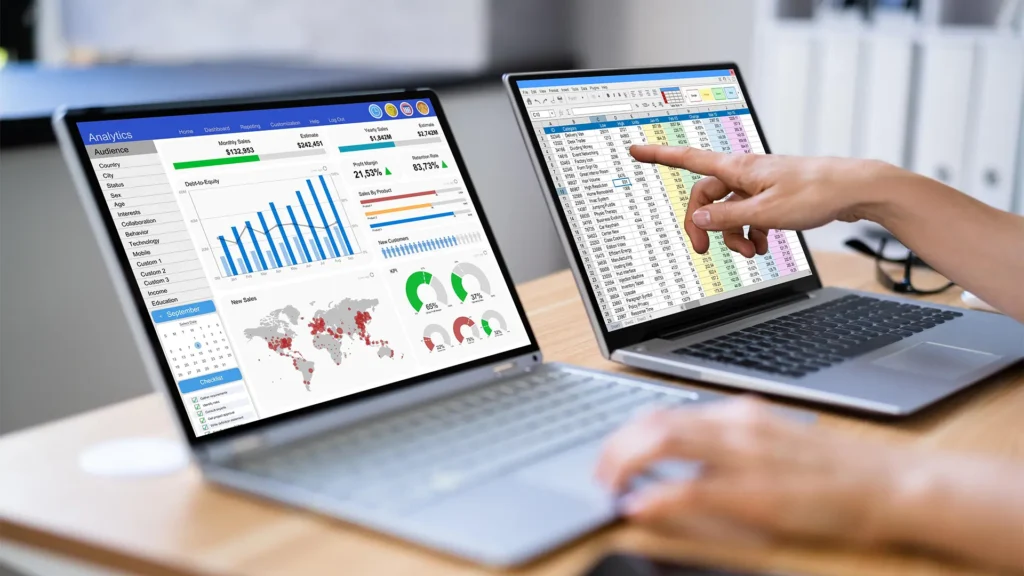
Enterprise Resource Planning systems promise efficiency, visibility, and control. But here’s the catch: not all ERPs are built for industries where compliance, traceability, and safety are non-negotiable. Aviation is one of them. Before choosing between a generic ERP and a specialized aviation ERP software, it helps to understand what’s really at stake. What Is a […]
Why Generic ERP Systems Fail Aviation MRO Operations

Aviation MRO operations don’t run like typical businesses, but they’re often treated as if they do. At first glance, a generic ERP might seem like a practical choice. It handles finance, inventory, and basic workflows. But once it’s applied to aviation MRO environments, the gaps start to show – especially around compliance, traceability, and operational […]
How Inventory Management Software Reduces Delays in Operations

A lot of aviation delays start long before maintenance work begins. Someone is still checking whether a part is actually available. A warehouse update has not been reflected in the system yet. Procurement is trying to confirm if the inventory was already allocated somewhere else before raising another request. Things like this happen every day. […]
Why Disconnected Work Orders and Labor Tracking Slow You Down and How Integration Improves TAT

In many operations, teams still count on separate tools for handling work orders and tracking labor. First, it may seem manageable. Over time, this gap still creates delays, confusion, and poor visibility. When systems do not talk to each other, it may be harder to control timelines, track progress, and manage costs. This directly impacts […]
Repair Order Management: Complete RFQ to Fulfillment Guide

Repairs start getting delayed long before the actual repair work becomes a problem, and actually, it begins with small things. A vendor quote is still waiting for approval, inventory records are outdated, someone from finance asks for missing documents, and another team is still trying to confirm repair status through email. None of it looks […]
Tool Calibration Management to Prevent MRO Downtime
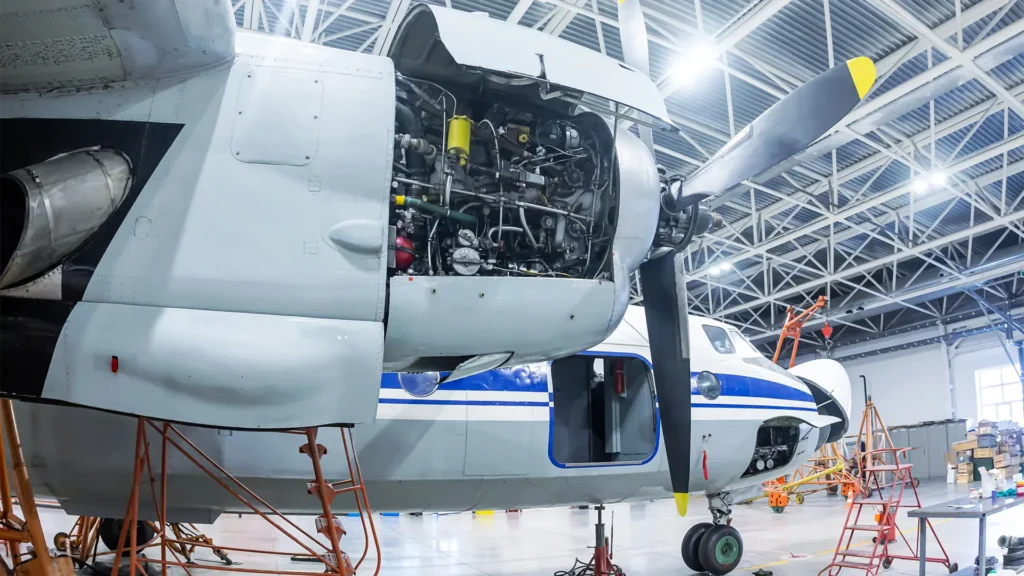
Tool calibration management plays a critical role in aviation maintenance, repair, and overhaul (MRO) operations. It is important to be accurate because every inspection, repair, and part must meet strict rules. Companies may put off work orders, break rules, or have unplanned downtime if their calibration schedules fall behind or their equipment records are missing. This is […]
Procurement Process Automation for RFQ and Purchase Orders

Companies often deliberately slow down procurement because they use emails, spreadsheets and informal management practices to manage their purchases. Team processes a simple request for quite a number in steps until finally sends out a purchase order. By than a lot of time has already been wasted within the business. Divisions including aviation maintenance as […]
Improving Financial Visibility in Work Orders and WIP

In complicated operational settings, demand rarely causes profitability to fail. It doesn’t work because finance and operations can’t see the same numbers at the same time. Many businesses still use operational systems to manage work orders, while their accounting software or spreadsheets are used by their financial teams to figure out margins. The result is […]
Aviation Procurement Automation from RFQ to PO

Most aviation teams are not struggling because they lack suppliers. The real issue usually starts once the requests begin piling up. Quotes come in from different vendors, and certifications need to be checked. So someone has to compare pricing, follow up on delivery timelines, and make sure approvals move before the aircraft sits longer than […]
Aviation Serialized Inventory Tracking: Why ERP Wins

We know that Excel is a trusty old tool in the tool chest of the hangar. It’s easy to set up and use, but inventory management in aviation requires strict traceability, safety, and compliance as per regulatory guidelines such as the FAA and EASA. Knowingly bypassing or avoiding any legal guidelines is non-negotiable in the […]