
Aircraft Asset Management: Tracking Engines and Serialized Parts Across Their Full Lifecycle

Aircraft engines and serialized parts need more than location tracking. This blog explains how asset records connect maintenance, inventory, finance, documents, and compliance across the full lifecycle, so aviation teams can see what is available, what is usable, and what still needs attention before an asset moves forward.
What Aviation Digital Transformation Actually Looks Like in Day-to-Day Operations

Aviation digital change is not just about new software. It is about helping parts, work orders, procurement, finance, and compliance move through one connected record. This blog explains how aviation teams can reduce manual checks, avoid lost updates, and keep daily work easier to track from request to final record.
Aviation Tool Calibration Tracking Software Why Traceability Is Critical

Most maintenance teams do not lose sleep over a calibrated torque wrench. The problem usually shows up later. An aircraft component is overhauled, and the paperwork is completed. But the technician signs off the task, and months pass without issue, and then from there, an audit begins. The auditor asks a simple question, “Can you […]
Why Repair Delays Are the Biggest Threat to MRO Turnaround Time
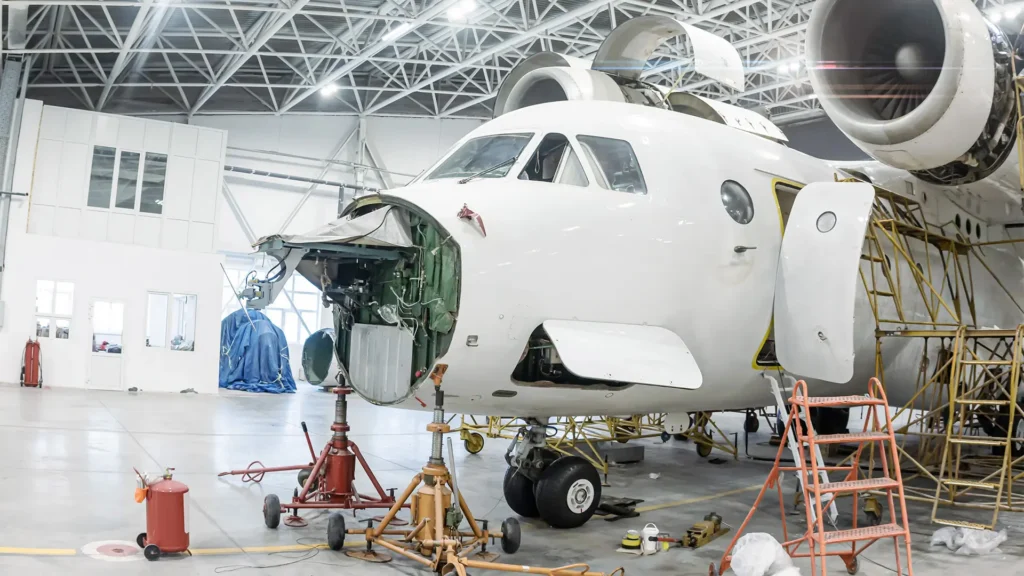
An aircraft can be almost ready to leave the hangar and still go nowhere. That happens more often than people think. Not because the entire maintenance event failed. Not because a technician missed a step. Usually, it comes down to something much smaller. A delayed repair approval. A part gets stuck in transit. A vendor […]
Reducing Delays with Better Work Orders in Aviation Operations

A minor maintenance issue in aviation rarely stays minor for long. What starts as a small technical problem can quickly delay connecting flights, drive up costs, and slowly affect passenger trust. The tricky part is that most of these delays don’t look like maintenance problems at first. Many of them actually begin much earlier, inside […]
Best Practices for Receiving Aerospace Parts and Ensuring Compliance

Handling incoming aircraft components requires more than basic aviation parts inspection. Every delivery must be checked, recorded, and tracked to meet strict standards. A well-defined aerospace parts receiving process reduces errors and improves visibility. It also ensures that all parts meet required standards. Without a clear process, small errors during receiving can lead to delays, […]
Repair Order Management in Aviation: A Complete Guide
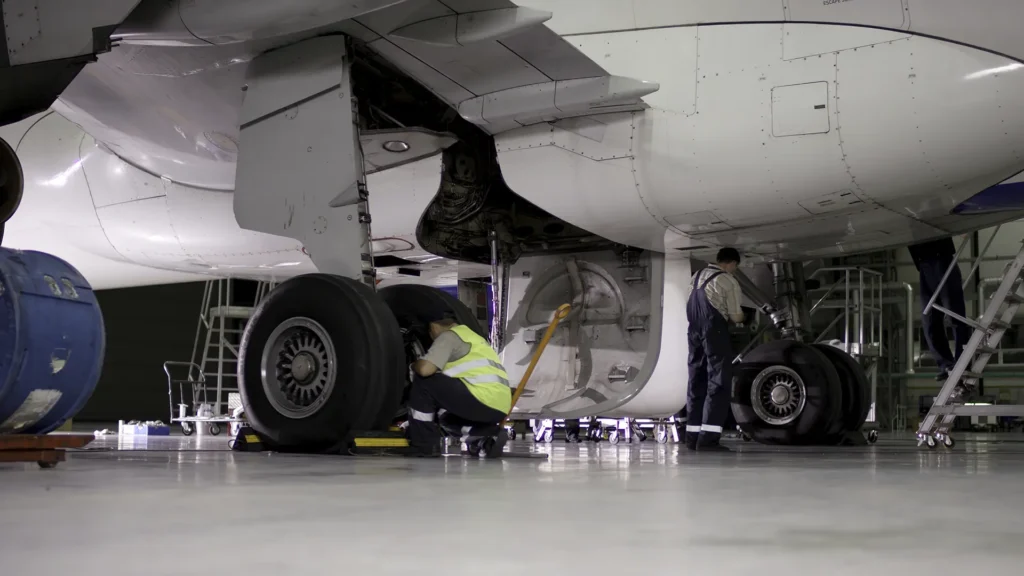
Aircraft maintenance cannot be postponed or handled casually. To keep things safe and on schedule, every repair, inspection, or replacement must be carefully recorded. Teams work on more than one thing at a time, and even small delays may disrupt schedules. Without a clear system, it’s easy to lose track of work, miss updates, and […]
How to Monitor Work Order Profitability in Real Time

Every work order in aviation MRO has a cost and revenue. Even a routine maintenance job can shift quickly once additional inspections, overtime labor, or unexpected part replacements enter the picture. Each activity contributes to the total outcome, labor hours, or parts used. But often the full picture only comes into focus once the work […]
LOT Tracking in Aviation: Why It’s Critical for Compliance

In aviation, every part has a history. Where it came from matters. How it was handled matters. And where it is used also matters. This makes traceability a key part of daily operations. Teams need clear and reliable records at every stage. Without that, managing compliance becomes difficult. In many MRO operations, tracking still happens […]
How to Speed Up Work Order Quotes in MRO Operations

In aviation MRO, quoting is one of the first steps in the workflow. It sets the pace for everything that follows. If quoting takes time, the entire process slows down. Repairs get delayed, planning becomes difficult, and response time suffers. In many cases, quoting is still handled through multiple systems. Teams check up on stock, […]